
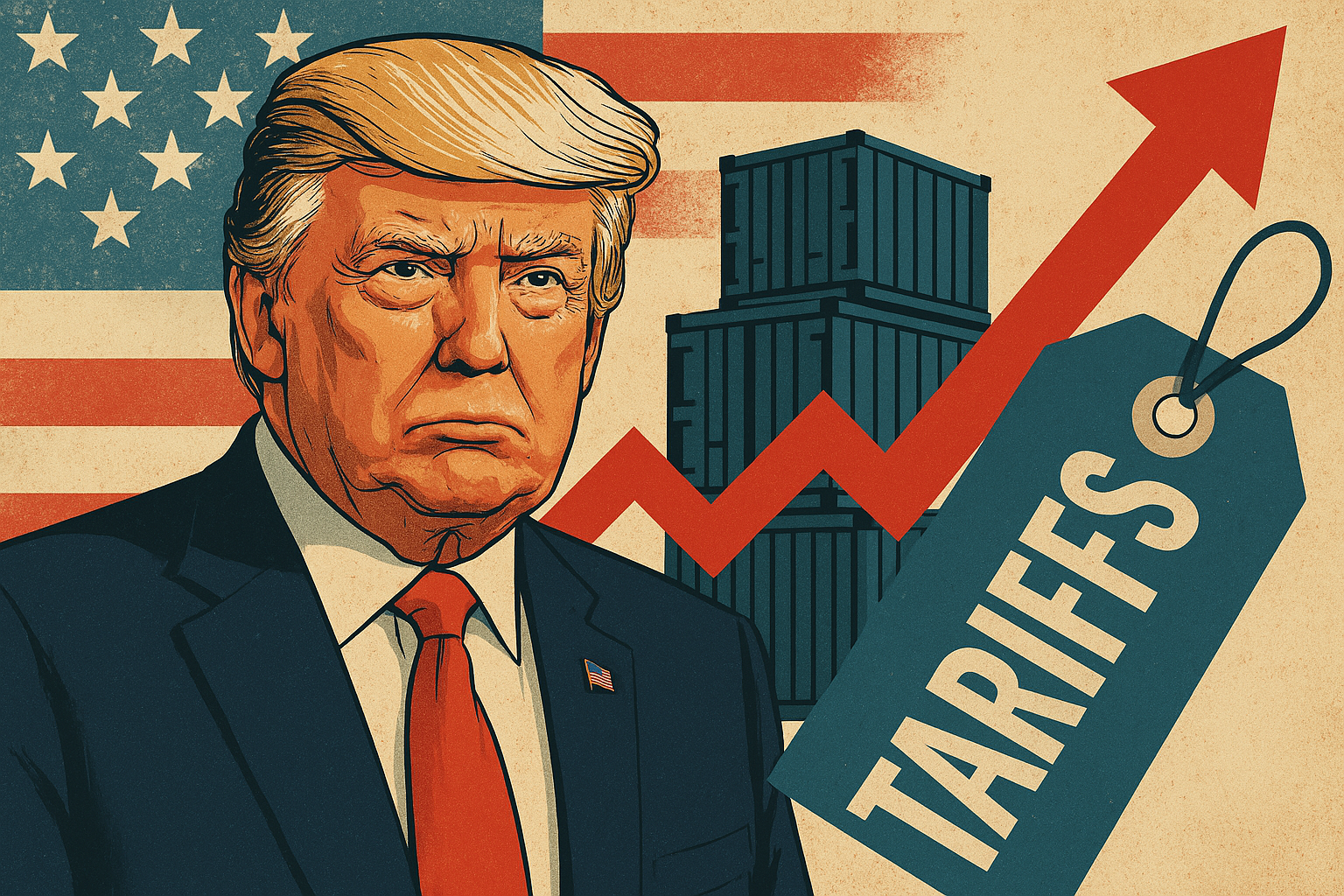
Donald Trump's return to the international political scene, with an increasingly aggressive protectionist narrative, heralds a profound change in the rules of global trade. His proposal to impose generalised tariffs puts European companies, and especially Spanish companies, on alert, given their strong export vocation and their dependence on strategic sectors that could be seriously affected.
Automotive, agri-food, capital goods, technology and energy are just some of the sectors that have already begun to assess the consequences of this possible geopolitical shift. However, beyond the figures, what is really at stake here is the companies' ability to anticipate, adapt and communicate strategically in an increasingly volatile and fragmented environment.
At PROA Comunicación, we believe that the key lies in combining geopolitical intelligence, reputation management and thought leadership. We therefore propose a clear and actionable roadmap:
Exposure and vulnerability diagnosis
The first task is to know precisely where and how the new geo-economic risks are impacting. It is not enough to know whether you are exporting to the US: it is essential to map the entire value chain, including indirect suppliers, global customers, strategic agreements or regulatory dependencies.
This exercise should consider different levels of exposure:
- Direct: sales or purchases in markets affected by tariffs.
- Indirect: customers or suppliers who will suffer repercussions.
- Systemic: sectors that could experience regulatory pressure, unfair competition or price distortion.
Once vulnerabilities have been identified, it is possible to establish impact scenarios (pessimistic, realistic, optimistic) and plan concrete mitigation measures.
Active and continuous strategic intelligence
Today, more than ever before, companies need a reputational and geopolitical intelligence functionable to interpret change, anticipate consequences and activate responses quickly.
This function must:
- Monitor key government decisions (US, EU, China).
- Monitor developments in trade agreements and customs measures.
- Analyse political and media narratives that affect the business environment.
- Translating that information into executive briefingsThe project will also provide tactical recommendations and lines of positioning.
Collaboration with organisations such as CEOE, chambers of commerce, embassies, public affairs companies or think tanks such as the Elcano Royal Institute or Bruegel, can provide key information and open channels of influence.
3. Strengthened institutional relations
The current environment requires companies to raise their institutional profile. It is not just about lobbying, it is about building trusting relationships with public administrations, regulators, multilateral organisations and legislators.
In this respect, companies should:
- Strengthen its dialogue with Spanish and European authorities.
- Participate in sectoral forums that influence the legislative agenda.
- Prepare position papers with data, impacts and constructive proposals.
- Visibilise their contribution to the general European interestemployment, sustainability, digitalisation, innovation, territorial cohesion.
A good institutional strategy can make the difference between being swept away by the wave or being part of the solution.
Preventive reputation management
In contexts of uncertainty, business decisions - such as restructuring, price adjustments or changes in international strategy - can lead to tensions with customers, employees, the media or regulators.
This is why it is essential:
- Activate a protocol for reputational prevention and responsewith scenarios of crisis identified.
- Have trained spokespersons to communicate with transparency, serenity and a sense of purpose.
- Develop key messages for each target audience: employees, investors, media, regulators, civil society.
Reputation is not improvised: it is built day by day with consistency, responsibility and proactive communication.
5. Corporate story aligned with European values
Faced with the rise of protectionism, Europe stands for an open, competitive and value-based economy. Companies that align their narrative with this framework will be strengthened in terms of legitimacy, trust and international projection.
Some key axes of the story:
- Commitment to sustainability and energy transition.
- Investment in digitalisation and innovation.
- Supporting quality employment and social cohesion.
- Contribution to European industrial, technological and food sovereignty.
It's not just about getting things right, it's about communicate it with credibility and consistency.
6. Thought leadership and strategic content
In turbulent times, leaders who explain, contextualise and guide generate influence and admiration. Corporate communication must also be a thought leadership exercisethat provides value beyond products or services.
Some recommended actions:
- To publish forums and articles in reference media.
- Participate in strategic forums and stakeholder meetings.
- Generate own content (reports, videos, podcasts) that reflects vision and commitment.
- Activate own channels - especially LinkedIn - as positioning platforms.
The companies that lead the narrative are the ones that set the agenda.
Conclusion: acting with vision, communicating with strategy
Trump's tariff policy is just the tip of the iceberg of a changing era. The international liberal order is being challenged by protectionist forces, geopolitical tensions and new strategic priorities. In this environment, adaptability is not enough: we must anticipate, communicate intelligently and lead with purpose.
Spanish companies have the talent, muscle and vision to meet this challenge. But they also need a professional focus on strategic communication, public affairs and reputationThe EU will be the first to provide them with the necessary tools to navigate this new sea with steadfastness and direction.
At PROA Comunicación we are prepared to accompany them, with experience, judgement and commitment.
Because today, more than ever, communicating well is a competitive advantage.