
In April 2017, a passenger was forcibly ejected from a plane of United Airlines. He was dragged down the aisle while other travellers filmed the scene with their mobile phones, which, today more than yesterday, but less than tomorrow, constitutes in all the world's communication manuals a potential reputational crisis of immeasurable magnitude. It should not have been so at the time. The video, of course, circulated in a matter of hours, first arousing indignation, then mere spectacle and, finally, remaining in the collective imagination as a symbol of these current times in which United Airlines had not yet landed. In response, the company reacted with a statement that seemed written for the world from which it had taken off, who knows how many years ago. It was a technical, defensive, insensitive message, oblivious to the tone of what was already happening beyond its control. And the result was immediate and translated into losses of millions in less than a day. The crisis, in any case, was not just the incident, but what came after.
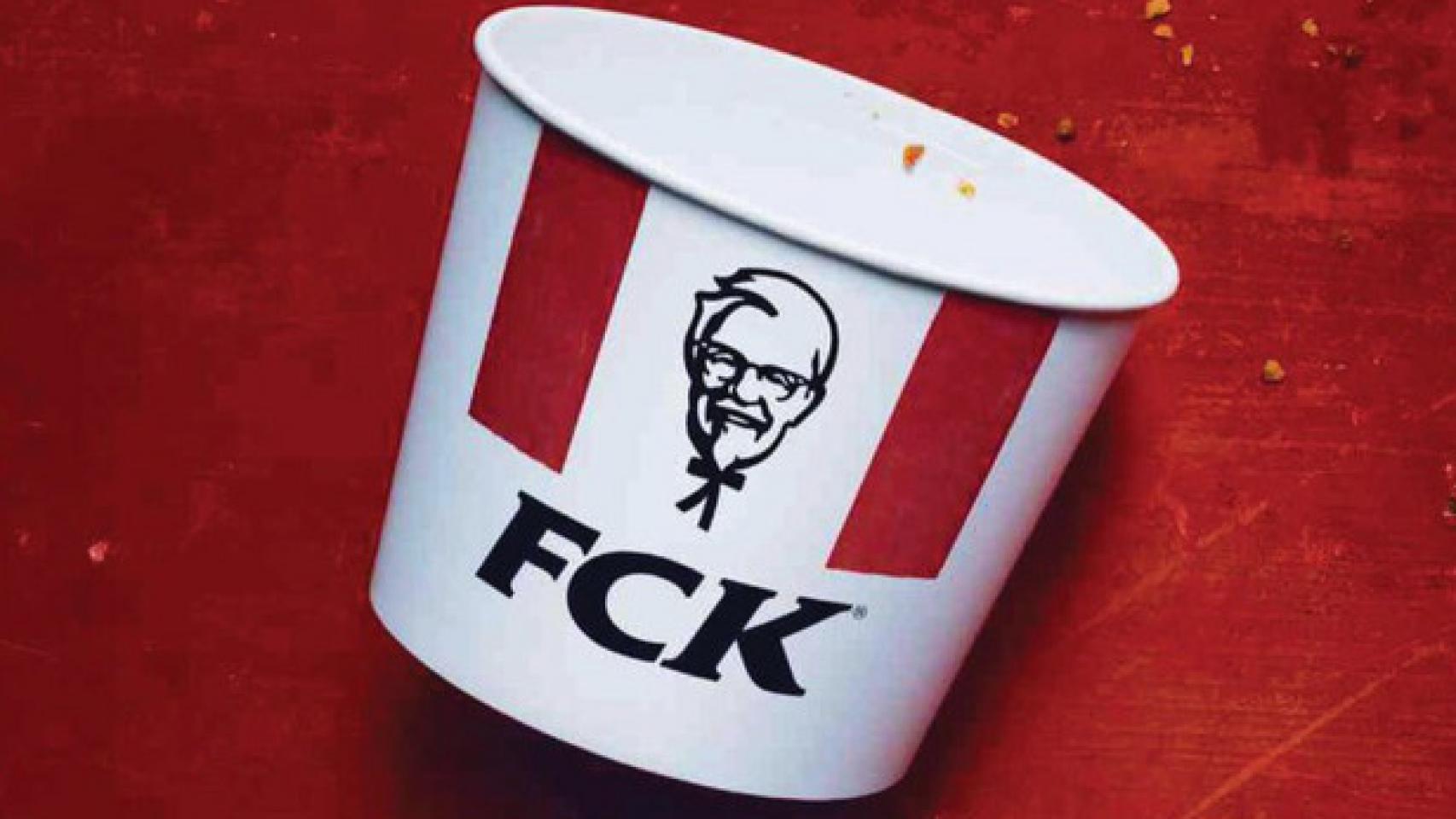
A year later, in the UK, KFC had to close hundreds of restaurants because of a logistical failure that left him, paradoxically, without a chicken. The problem was serious, tangible, perfectly quantifiable, which could only demand apparently frivolous, intangible and unclassifiable answers, perfectly in keeping with the digital universe.
Read the full article here: